Player Development
How Youth Soccer Builds Life Skills Beyond the Field
Parents sign kids up for exercise, friends, and fun. What they take away is bigger: teamwork, resilience, communication, and responsibility that outlast any season.
In this article
In this article
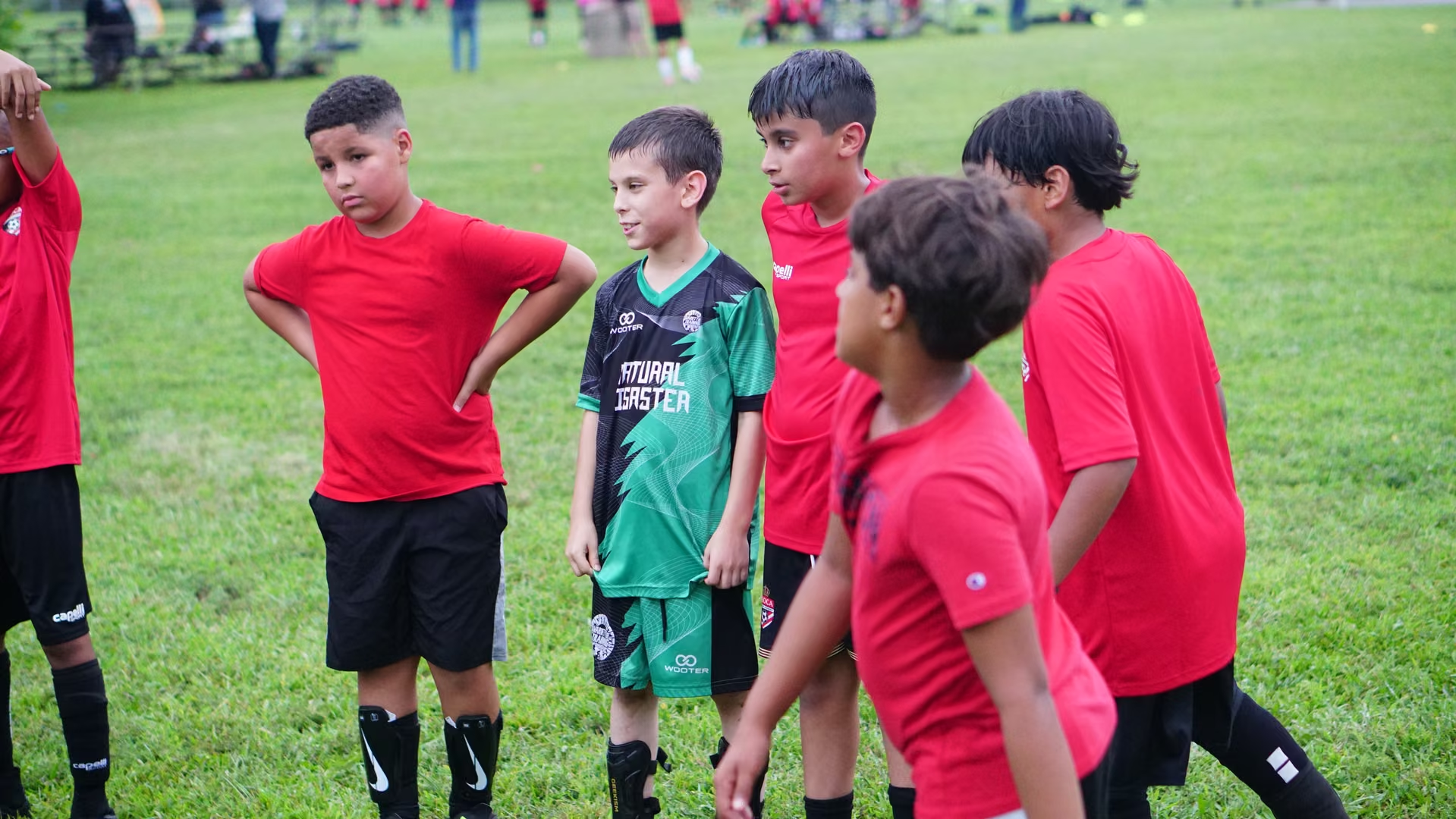
Parents enrol their children in soccer to keep them active, make friends, and have fun. But youth soccer offers benefits that extend well beyond the field. Each practice, pass, and game can help children develop important life skills such as teamwork, communication, confidence, resilience, and responsibility.
If you're searching for youth soccer life skills in NJ, understanding these benefits can help you choose a program that develops both character and soccer ability.
What Life Skills Do Kids Learn Through Soccer?
Teamwork and Collaboration
Soccer teaches children that success depends on working together. Players learn to communicate, share the ball, support teammates, and understand that every position contributes to the team's success. These experiences can help children become better collaborators at school and in everyday life.
Handling Wins and Losses
Not every game goes as planned. Children may experience winning, losing, missed opportunities, and mistakes. Soccer gives them opportunities to learn from setbacks, adjust, and try again. Over time, this can help build resilience.
Confidence Through Progress
Confidence develops when children see themselves improving through effort. Learning a new skill, making a successful pass, or becoming more comfortable communicating with teammates can create meaningful confidence-building moments.
If you want to spot this kind of growth, here are the signs your child is improving at soccer even when they did not score.
Communication and Responsibility
Players constantly communicate by calling for passes, encouraging teammates, and listening to coaches. They also learn responsibility by arriving prepared, being punctual, following instructions, and contributing to the team.
Friendships and Social Skills
Soccer gives children opportunities to build friendships through shared experiences and goals. Working with teammates can also help develop respect, empathy, and an understanding of different personalities.
Why Coaching Matters
The right coaching environment can make these lessons more meaningful. Positive coaches encourage effort, allow children to learn from mistakes, and create an environment where players feel supported while being challenged.
When choosing a youth soccer program in New Jersey, look beyond trophies and league records. Consider the coaching philosophy, player development approach, and whether the environment encourages both personal and athletic growth.
How Gioca Supports Youth Soccer Development
At Gioca Soccer Academy, every practice is an opportunity to develop more than soccer skills. Players can build confidence, teamwork, communication, responsibility, and resilience while learning the game. That is the thinking of our coaches behind our mental performance coaching and the way our training programs are built.
Your questions, answered
What life skills do children learn from youth soccer?
Children can develop teamwork, communication, confidence, resilience, discipline, and responsibility.
What are the benefits of youth soccer for kids?
Beyond fitness and soccer skills, children can build confidence, friendships, communication skills, and the ability to work as part of a team.
How do I choose the right youth soccer program in New Jersey?
Look for experienced coaches, a positive environment, and a focus on long-term player development rather than results alone.
Why choose Gioca Soccer Academy?
Gioca combines player development with a positive coaching environment that encourages confidence, teamwork, and a love for the game.

From the Gioca coaching team
Zane and Julian Taha
Meet the people behind the perspective. Our coaches bring a personal approach to every conversation and every session.
Book a Free Session