Player Development
What Soccer Coaches Notice That Parents May Miss During Training
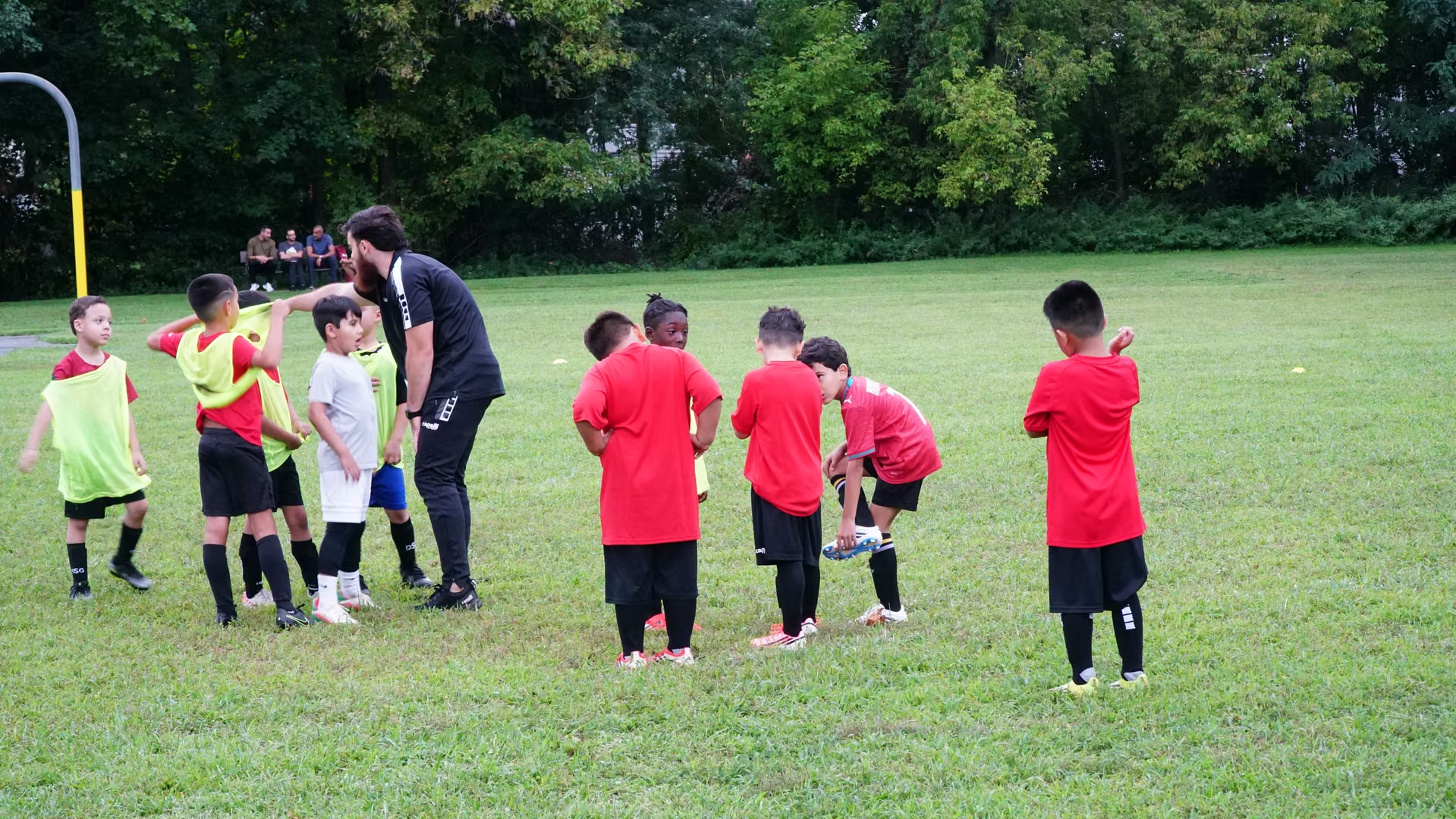
Your child scores a great goal, and the coach talks about their movement into space instead. Coaches see the game differently. Here is what they are actually watching.
In this article
In this article
In a soccer game, your child scores a very good goal. The finish is fantastic, the teammates celebrate, and from the sidelines it seems like that was the highlight of the match.
After the game, you expect that the coach will discuss that goal. Rather, the coach comments on how your child moved into space, played in relation to others, listened during practice, or responded when they lost the ball.
As a parent, you may be asking yourself: “Didn't they play well? Why isn't the coach talking about the goal?”
The answer is simple: coaches see the game differently. Parents see the ball, goals, assists, and exciting moments. Coaches look at the bigger picture. They assess actions, choices, mindset, work, and traits that enable a player to evolve over many years.
So What Do Soccer Coaches Look For?
Experienced coaches know that youth soccer development is a long-term process. Technical ability is important, but coaches also look for:
- Coachability
- Decision-making
- Communication skills
- Work ethic
- Game awareness
- Confidence
- Team mentality
A great player knows how to pass, move, assist teammates, and react when things are not going smoothly. Coaches are developing players, not just looking for the best player during one training session.
How Players Respond to Feedback
One of the key distinctions between players who improve and those who struggle is coachability in soccer.
A coachable player listens when a coach gives instructions and tries to apply them. If a coach says, “Check your shoulder before touching the ball,” they watch to see whether the player tries again and makes changes. This is also the fastest way to earn more trust from your coach.
Coaches Watch What Players Do Without the Ball
Much of soccer is played without the ball. Coaches notice whether players create space, make useful runs, help teammates, and respond after losing possession.
These habits demonstrate soccer game awareness beyond basic technical skills.
Decision-Making and Communication Matter
Soccer is a game of choices. Should the player pass? Dribble? Shoot? Slow the play down? Switch the ball? A young player with strong decision-making understands the situation around them and chooses the option that helps the team. This is the heart of soccer IQ and reading the game.
Attitude and Effort Matter Every Session
Coaches pay attention to how players respond to mistakes and challenges. Do they get angry, blame others, or start again?
They also notice a player's attitude toward teammates, training, and improvement. Consistent effort and a positive mindset often matter more than one impressive game.
What Parents Should Watch Instead
Instead of asking, “Did you score?”, parents can ask:
- Did you support your teammates?
- Did you try your best after making a mistake?
- Did you learn something new?
- Did you follow your coach's instructions?
- Did you make good decisions?
These questions encourage children to focus on improvement rather than just results.
How Gioca Evaluates Player Development
At Gioca, player evaluation goes beyond goals, assists, or game results. Coaches stress the overall development of every player: technically, and in their thinking, confidence, communication, and effort. That philosophy runs through all of our training programs.
Your questions, answered
What do soccer coaches look for in young players?
Coaches look at attitude, coachability, decision-making, communication, effort, game awareness, and technical skills.
Do soccer coaches only look at goals and assists?
No. They also evaluate movement, teamwork, positioning, decision-making, and how players respond during training.
Why is coachability important in youth soccer?
Coachability shows that a player is willing to learn, accept feedback, and apply corrections.
What is game awareness in soccer?
Game awareness means understanding positioning, space, teammates, opponents, and the next best decision.
How can my child stand out during soccer training?
Show effort, listen to coaches, communicate, stay positive, make smart decisions, and consistently try to improve.
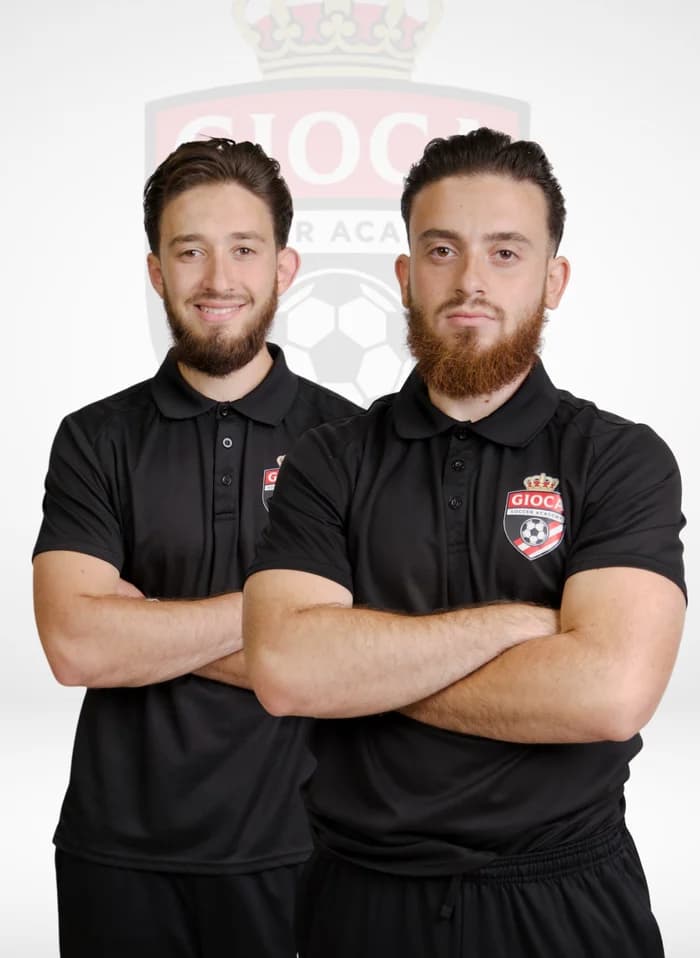
From the Gioca coaching team
Zane and Julian Taha
Meet the people behind the perspective. Our coaches bring a personal approach to every conversation and every session.
Book a Free Session