Player Development
Is Futsal Good for Kids? A Parent's Guide
Is futsal good for kids? A parent's guide to what futsal is, how it differs from outdoor soccer, what players can learn and how to fit it into the week.
In this article
In this article
Quick Answer
Yes, futsal can be a useful addition to a child's soccer development. It gives young players opportunities to practice close ball control, passing, quick decisions and awareness in smaller spaces. These experiences can complement outdoor soccer, although futsal doesn't replace regular outdoor training and match experience.
What Is Futsal?
Futsal is a form of indoor soccer played between two teams of five on a hard court. Gioca Soccer Academy in South River, NJ, has run futsal tryouts for its players, as described on the Futsal Tryouts page.
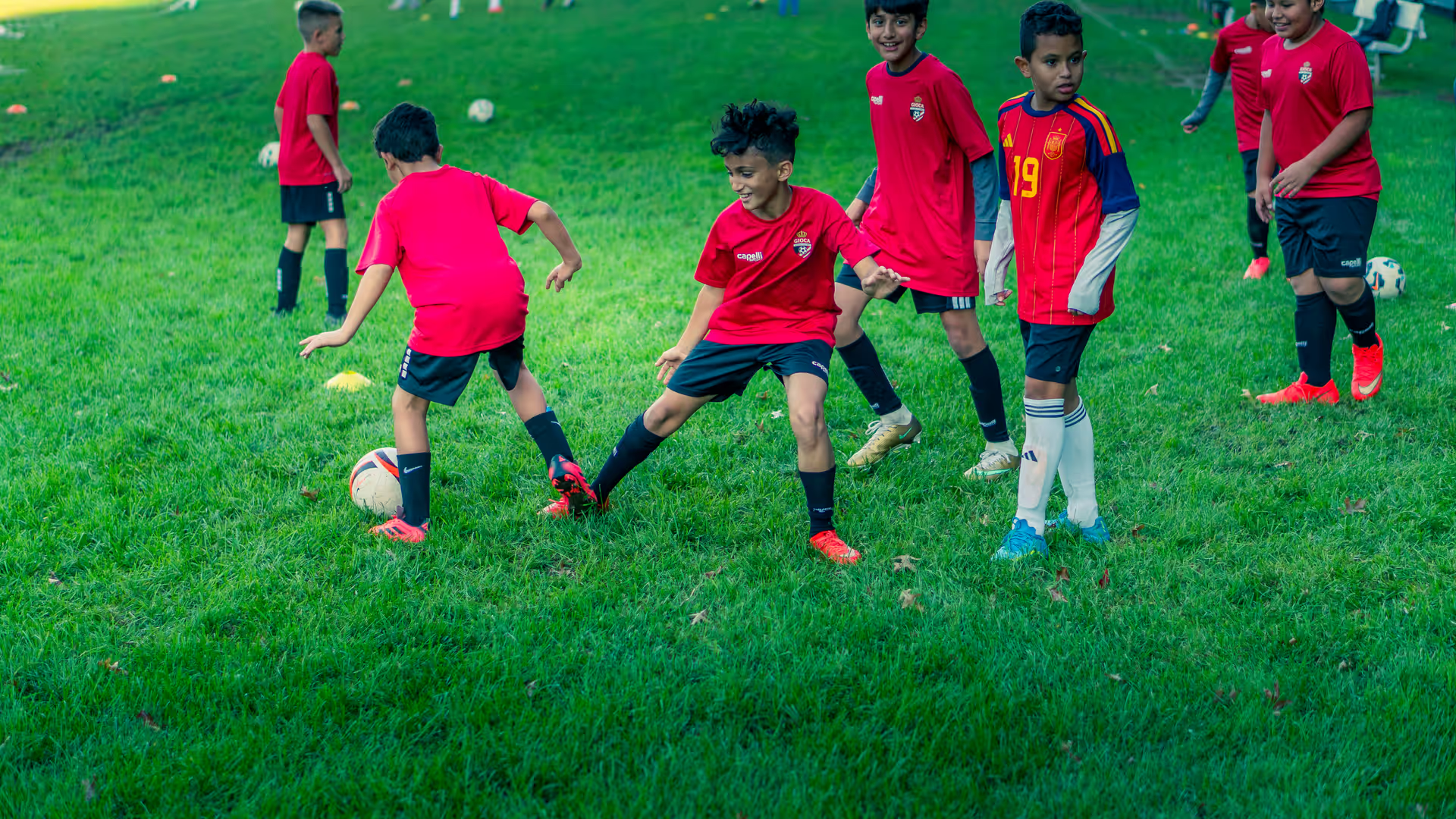
The biggest difference is the space available. Players are closer to teammates and opponents, so they have less time to control the ball, look for passing options and decide what to do next.
The ball is different too. Under Law 2 of the FIFA Futsal Laws of the Game (2025/26), a futsal ball measures 62 to 64 cm around and is built to bounce between 50 and 65 cm when dropped from 2 meters. That reduced bounce keeps the ball low and close to the floor, which changes how children control and pass it compared with a standard outdoor ball.
Futsal vs. Outdoor Soccer: What's the Difference?
Both formats involve passing, dribbling, teamwork and scoring goals. However, the playing environment changes how players approach the game.
| Feature | Futsal | Outdoor Soccer |
|---|---|---|
| Players | Five per team | Typically 11 per team |
| Surface | Hard indoor court | Grass or artificial turf |
| Ball | Smaller ball with reduced bounce | Larger ball that bounces more freely |
| Space | Compact playing area | Larger playing field |
| Pace | Quick exchanges in tight spaces | More room for longer passes and runs |
Futsal brings players closer together, while outdoor soccer gives them more room to spread out and work across the field. Both formats offer different playing experiences.
What Can Kids Learn From Playing Futsal?
1. Close Ball Control
In futsal, opponents are often nearby, leaving little room for unnecessary touches. Players need to keep the ball close and find ways to maintain possession.
This gives children opportunities to practice their first touch and control, which can also be useful when facing opponents in outdoor matches.
2. Quicker Decision-Making
Should a player pass, dribble, turn or move into space? Futsal regularly puts children in situations where they need to consider these options quickly.
It also encourages players to look around before receiving the ball. This connects with the importance of developing soccer IQ and learning to read the game.
3. Passing and Teamwork
With teammates and opponents nearby, players need to look for passing options and think about where to move after releasing the ball.
Futsal can provide opportunities to practice short passes, combinations and supporting teammates. These habits can also be useful during outdoor games.
4. Finding Space
Finding space isn't always about running further away from an opponent. Sometimes, a small change in direction can create an opening for a pass.
Futsal gives children opportunities to understand positioning, timing and movement without the ball.
5. Confidence on the Ball
Some children hesitate when an opponent gets close. Playing in smaller spaces can give them opportunities to try different touches, make decisions and learn from mistakes.
The goal is to help children enjoy playing and become more comfortable experimenting with the ball.
Can Futsal Skills Carry Over to Outdoor Soccer?
Some skills children practice in futsal can be useful when they return to outdoor soccer.
- Ball control: Close touches can help when opponents are nearby.
- Awareness: Looking for teammates and space can support better decisions.
- Passing: Short combinations can help players connect with teammates.
- Movement: Finding space in tight areas can help with outdoor positioning.
- Decision-making: Responding to changing situations gives players more opportunities to consider their options.
However, playing futsal doesn't automatically make a child a better outdoor player. Outdoor soccer has its own demands, including longer passes, positioning across a larger field and different team tactics.
Think of futsal as another way to experience the game, not a replacement for outdoor soccer. Small-sided games are also one of the training methods that speed up improvement, and parents can read Gioca's comparison of small-group and large-academy soccer training to see how different training environments can support player development.
How to Decide If Futsal Fits Your Child's Week
Before adding another activity, consider how it fits into your child's existing routine.
- Check their schedule: Make sure there's enough time for school, outdoor practices, matches and rest.
- Consider their interest: Some children enjoy playing in smaller spaces, while others prefer outdoor games. Ask whether they'd like to try futsal.
- Think about their goals: If they want more opportunities to practice close control and short passing, futsal may be worth exploring.
- Allow time to recover: More training isn't always better. Children should still have time for family, other interests and rest.
- Talk to their coach: A coach can help you decide whether futsal makes sense alongside your child's current activities.
The right choice depends on the individual child. The aim should be to support development without making soccer feel like another obligation.
Explore Soccer Development Opportunities at Gioca
Futsal can be another way for children to enjoy soccer while experiencing a different style of play. Gioca's futsal tryouts were held on Monday, November 2, and you can see how Gioca approached them on the Futsal Tryouts page.
For questions about future opportunities, book a free trial session and speak with the team.
Source: FIFA Futsal Laws of the Game 2025/26, Law 2, The Ball, as published by The FA: https://www.thefa.com/football-rules-governance/lawsandrules/laws/futsal/law-2---the-ball
Your questions, answered
Is futsal suitable for young soccer players?
Yes, it can be a good option for children interested in trying a different format of soccer. It offers opportunities to practice ball control, passing and decision-making in smaller spaces.
Does futsal improve outdoor soccer skills?
Futsal can help children practice skills that are useful outdoors, including close control, awareness and short passing. However, it doesn't replace outdoor match experience.
Is futsal harder than outdoor soccer?
Both formats have different challenges. Futsal involves tighter spaces and quicker exchanges, while outdoor soccer requires players to manage a larger field and more space.
Can my child play both futsal and outdoor soccer?
Yes, provided the schedule is manageable and the child enjoys both activities. Rest and recovery should remain a priority.
Does futsal replace regular soccer training?
No. Futsal offers a different playing experience, but outdoor training and matches remain important for learning the demands of the larger field.
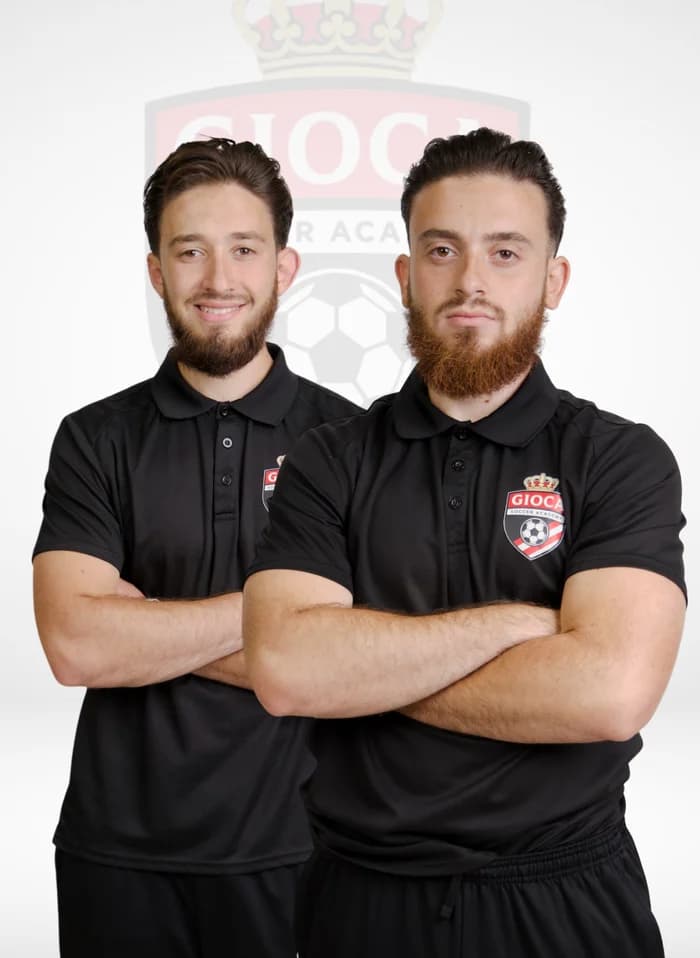
From the Gioca coaching team
Zane and Julian Taha
Meet the people behind the perspective. Our coaches bring a personal approach to every conversation and every session.
Book a Free Session