For Parents
How to Know If Your Child Is Ready for a Soccer Tryout
Readiness for a soccer tryout comes down to developing skills, taking coaching well, bouncing back from mistakes, and a child who wants the challenge.
In this article
In this article
Quick Answer
A child may be ready for a soccer tryout when they have developing technical skills, enjoy being challenged, respond well to coaching, can handle mistakes without giving up, and are willing to commit to regular training. Being the best player on the field is not a requirement. Readiness is about skill, mindset, maturity, and genuine interest in taking the next step.
If your child is developing solid skills, enjoys a challenge, takes coaching well, bounces back from mistakes, and is willing to put in regular training time, they're probably ready for a soccer tryout. They don't need to be the star of their current team, either. Readiness comes down to skill level, attitude, maturity, and whether they genuinely want to take this next step.
What Does "Ready" Actually Mean?
When parents start thinking about tryouts, the first thing that pops into their head is usually, "Is my kid actually good enough for this?"
Remember, readiness isn't just about talent. Your child can still have a lot to work on and be perfectly ready for a tougher environment. There are really four things worth looking at: their soccer skills, their mindset, their commitment level, and their maturity.
If your child is asking for more challenges, it may also help to understand what actually changes when a player moves from recreational soccer into competitive soccer.
5 Signs Your Child Might Be Ready
1. They've Got the Basics Down
Nobody's expecting flawless technique here. Your child just needs a solid enough foundation to hold their own in games.
Things like controlling the ball, passing and receiving reasonably well, understanding where they should be on the field, and making their own decisions instead of just chasing the ball around: these are the signs to look for.
Not sure if your child's skills are actually improving? Check out the signs your child is getting better at soccer. And no, it's not just about how many goals they're scoring.
2. They Genuinely Want More
This one might be the biggest tell of all. Is your child asking to play more often? Do they light up during training? Are they actually motivated to get better?
And here's the key question: is that desire coming from them, or from you?
Competitive soccer demands real commitment. If you're more excited about the idea of moving up a level than your child is, it might be worth talking it through before jumping into a tryout.
3. They Can Take Coaching
A ready player isn't someone who gets everything right the first time. It's someone who's actually willing to learn.
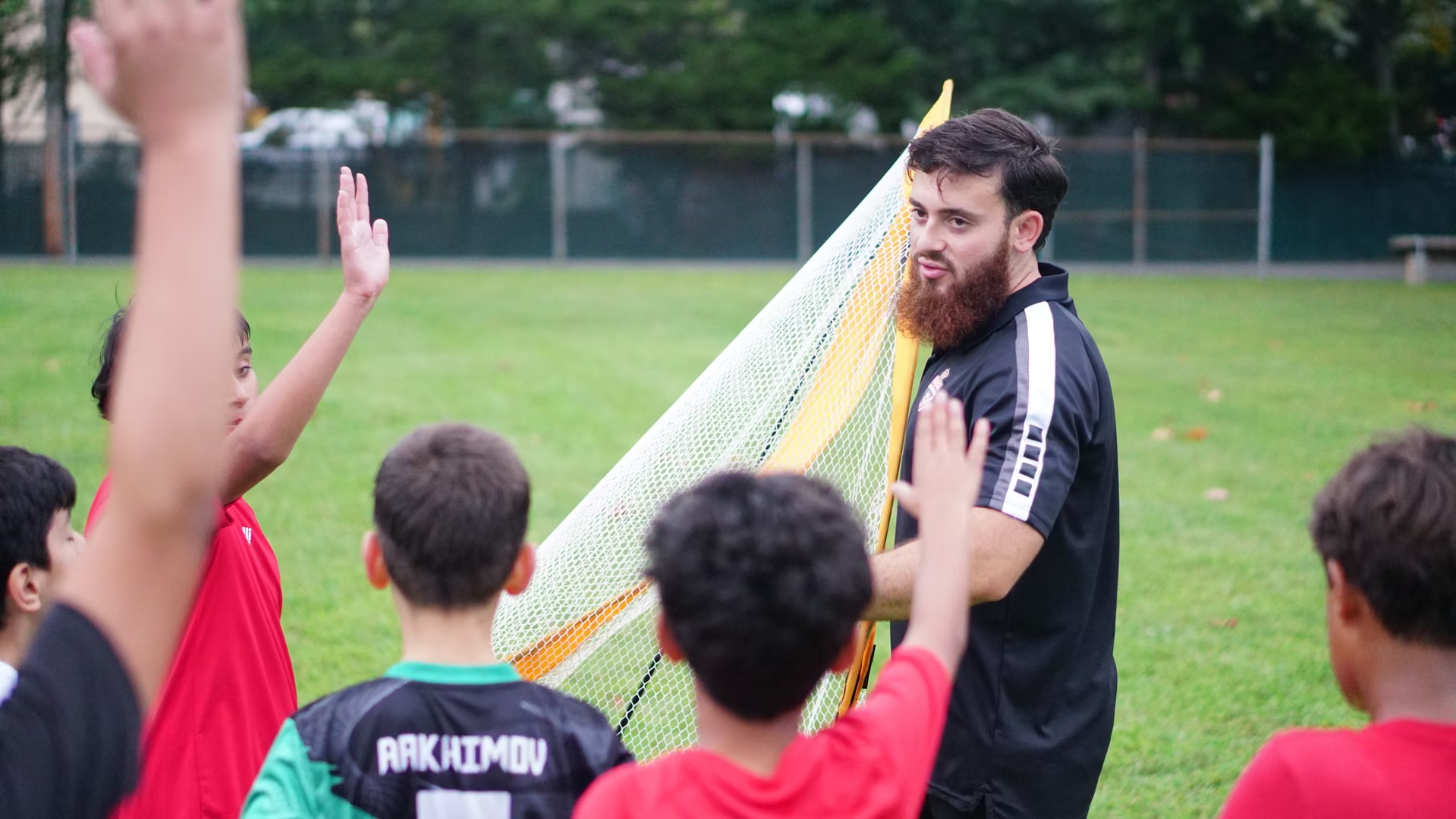
During a tryout, coaches will give instructions and corrections along the way. If your child listens, tries to adjust, takes feedback without shutting down, and keeps playing after a mistake, that's coachability, and it matters a lot.
4. They Can Handle a Bad Moment
Every kid is going to mess up during a tryout at some point. That's just how it goes.
What matters is what happens right after. Can they shake off a bad pass? Do they keep playing after losing the ball? Can they stay in the game mentally when things aren't going their way?
They don't need to be fearless. Being nervous is completely normal. What counts is whether they keep showing up and trying, even when it's tough.
5. They Get What They're Signing Up For
Competitive soccer usually means more frequent training, games, travel, and higher expectations all around. Your child doesn't need to handle all of that on their own. But they should have a sense that joining a competitive program is a real commitment for them and for the whole family.
What If They're Not the Best Player on the Team?
Being the top player and being ready are two completely different things.
A tryout gives coaches a chance to look at way more than just technical skill. Things like decision-making, game awareness, effort, coachability, how a player communicates, and how they handle challenges: all of that tells coaches a lot about a young player. At Gioca, our coaches look at exactly these qualities during every evaluation, because character and coachability matter just as much as what a player can do with the ball.
So try not to measure your child's readiness against the strongest kid on their current team. That's not really a fair comparison anyway.
A Quick Readiness Check
Before you sign up, ask yourself:
- Does my child actually enjoy competitive soccer?
- Can they take coaching well?
- Do they keep trying after they mess up?
- Are their basic skills coming along?
- Are they willing to train regularly?
- Are they the ones asking for more of a challenge?
If most of these are a yes, a tryout could be a good next move. If you're answering no to several of them, that's okay too. Your child might just benefit from a bit more time developing first.
When the answer is yes, our guide on how to prepare your child for a soccer tryout covers the week before and the day itself.
Tryout vs. Trial Session: What's the Difference?
A tryout (or evaluation) is meant to determine whether a player is ready for a specific competitive environment: it's the real deal. A trial session, on the other hand, is a lower-pressure way for your child to get a feel for the coaching style, training environment, and general expectations before committing to anything bigger. If you're not sure which is right, read what to expect at a soccer academy trial session.
Not sure if they're ready? Let them experience it firsthand. Book a free trial session with Gioca and let them meet the coaches.
Your questions, answered
What age should a child start competitive soccer?
There's no magic number here. It really depends on your child's development, interest level, maturity, and what the specific program expects from its players.
Does my child need to be an advanced player to try out?
Not at all. Having a developing foundation, a willingness to learn, and the ability to participate matter far more than being the best player out there.
What do coaches actually look for during a tryout?
Coaches typically pay attention to technical ability, game understanding, decision-making, coachability, effort, communication, and how a player handles mistakes and feedback.
What if my child is nervous about trying out?
That's totally normal. Nerves don't disqualify anyone. What matters is whether your child is willing to participate, take coaching, and keep going even after a mistake.
Should my child do a trial session before an actual tryout?
If they're interested but haven't experienced the academy's environment yet, a trial session is a great way to get a feel for the coaching and training before committing to a formal tryout.
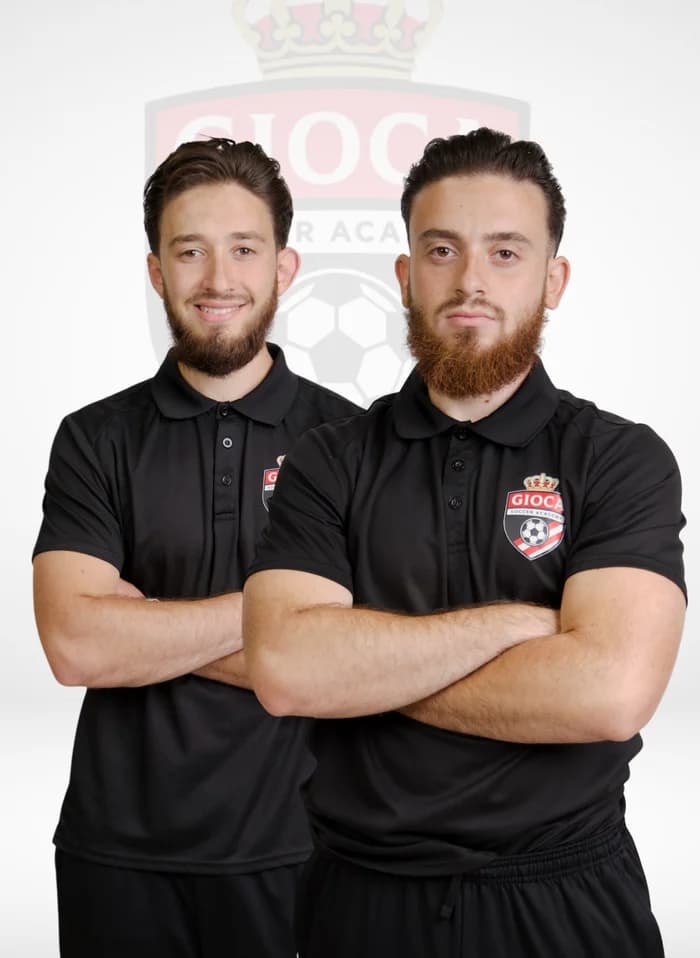
From the Gioca coaching team
Zane and Julian Taha
Meet the people behind the perspective. Our coaches bring a personal approach to every conversation and every session.
Book a Free Session