For Parents
Recreational Soccer vs Competitive Soccer: What’s the Difference?
Should your child stay in rec, or is it time for competitive soccer? Neither is better; the right fit depends on age, skill, personality, and how much they actually want it.
In this article
In this article
Your child loves soccer. They look forward to practice, maybe even drag a ball around the backyard when there is nothing else to do. And as their interest grows, you may find yourself asking: should they stay in recreational soccer, or is it time to try competitive soccer?
It can feel like a huge commitment, especially when you see other kids trying out for travel teams, academies, or club programs. But recreational and competitive soccer are really not a question of one being better than the other. Both have their place depending on where your kid is in their soccer journey.
The right fit depends on your child's age, skill level, personality, interest in the game, and honestly, how much they are actually willing to commit.
What is recreational soccer?
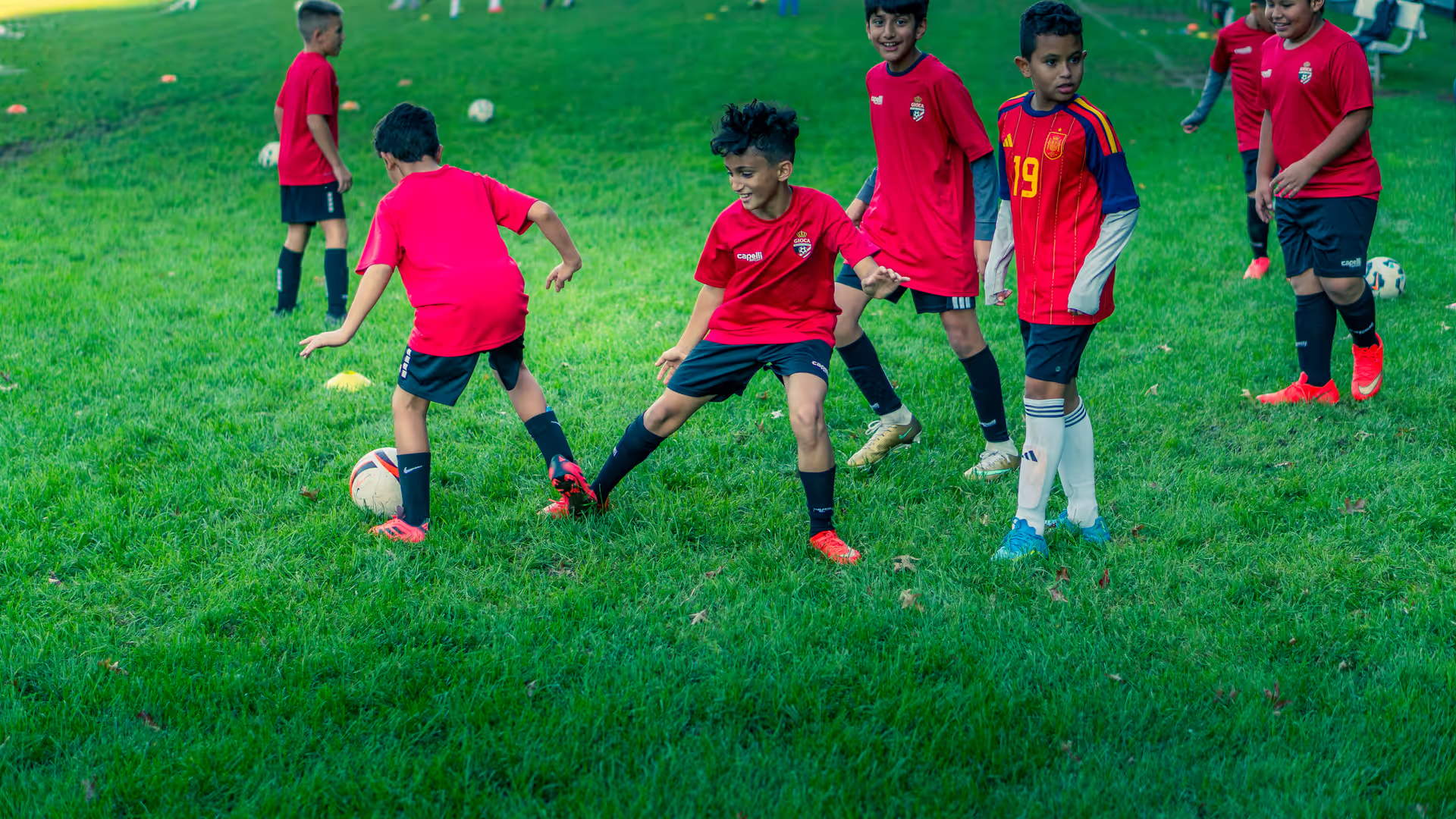
Recreational soccer gives kids a low-pressure way to learn the game, get moving, and play alongside other children without the heavier time commitment of competitive programs. Practices cover the basics: dribbling, passing, shooting, and moving around the field with some understanding of teamwork. Games are close to home, schedules are manageable, and teams often mix abilities.
The focus lands on having fun, picking up fundamentals, getting exercise, learning to work with teammates, and sparking a real love for the game. That last part matters more than people realize. A six-year-old, an eight-year-old, even a ten-year-old does not need to be thinking about elite competition yet. They need a place to play, make friends, and figure out if soccer is something they want to keep doing.
What is competitive soccer?
Competitive soccer generally means more organized practices, tougher competition, and a stronger push for player development. Kids may train several times a week, play against tougher opposition, and take more responsibility for their own development. Some clubs hold tryouts just to earn a roster spot.
Competitive programs put more weight on technical skill-building, tactical awareness, reading the game, positioning, consistent training, tougher opponents, and personal accountability. The step up usually asks more of the whole family too: extra practices, weekend games, tournaments, travel, and a bigger price tag.
That said, competitive soccer looks different depending on who runs it. A program calling itself competitive tells you little about the actual coaching your child will get.
The key differences at a glance
- Main focus: participation and enjoyment (rec) vs development and competition (competitive)
- Training: generally lighter vs more structured and frequent
- Skill level: often mixed vs often grouped by ability
- Commitment and cost: lower vs higher
- Competition: local and lower pressure vs typically stronger, sometimes with travel
- Player expectations: more flexible vs greater accountability
Does competitive soccer help players improve faster?
It can, but only when a child is genuinely ready for the extra training, coaching, and commitment. Simply joining a competitive team guarantees nothing. The quality of the experience matters far more than the label. Pay attention to coaching quality, the training environment, how much individual feedback players get, real playing time, consistency, whether the challenge level fits, and how motivated the player actually is.
Signs your child may be ready for competitive soccer
- They really want more soccer, and the push comes from them
- Their fundamentals are developing: cleaner touch, more accurate passes, a sharpening feel for the game
- They respond well to coaching: listening, asking questions, applying corrections
- They can handle mistakes: losing the ball and continuing, taking feedback without shutting down
- They are ready for greater commitment, not just able to fit it on the calendar
- They need more challenge because their current environment no longer pushes them
If you think your child may be ready, understanding the competitive soccer tryout process can help you prepare for the next step.
When recreational soccer may still be the better choice
Moving up is not a race, and there is no prize for getting there early. Rec might still be the right call if your child is new to the sport, has not decided how much they love it, just wants to play for fun, enjoys bouncing between activities, is not interested in extra training, or gets overwhelmed by tougher competition.
Competitive doesn't always mean better coaching
A pricier or more competitive program does not automatically mean better development. What matters is what happens on the field during practice. A good youth coach develops the player, not just the team's record. Here is what to look for in a youth soccer coach.
What about travel soccer and academies?
Costs vary widely too; see our guide to youth soccer academy costs in NJ.
Not sure which environment is right?
At Gioca, families can start with a free trial session. Coaches watch your child train, get a read on where they are developmentally, and help figure out what environment makes sense next, while your child gets a real feel for the training environment before your family commits to anything.
Your questions, answered
What is the difference between recreational and competitive soccer?
Recreational soccer focuses on participation, fun, and basic skills, with a lighter time commitment. Competitive soccer involves more structured training, tougher competition, higher expectations, and a bigger investment of time.
What age should kids start competitive soccer?
There's no set age that works for everyone. It comes down to interest, skill level, maturity, coachability, and how willing they are to take on more training.
Is competitive soccer better for player development?
Not automatically. It can offer great challenges, but coaching quality, real playing time, individual feedback, consistent practice, and the right competition level matter far more than the "competitive" label by itself.
Should beginners start with recreational soccer?
For a lot of kids, yes. It's a great low-pressure way to learn the basics and see if they actually enjoy the game. But the best starting point really depends on the child and the quality of the program itself.
From the Gioca coaching team
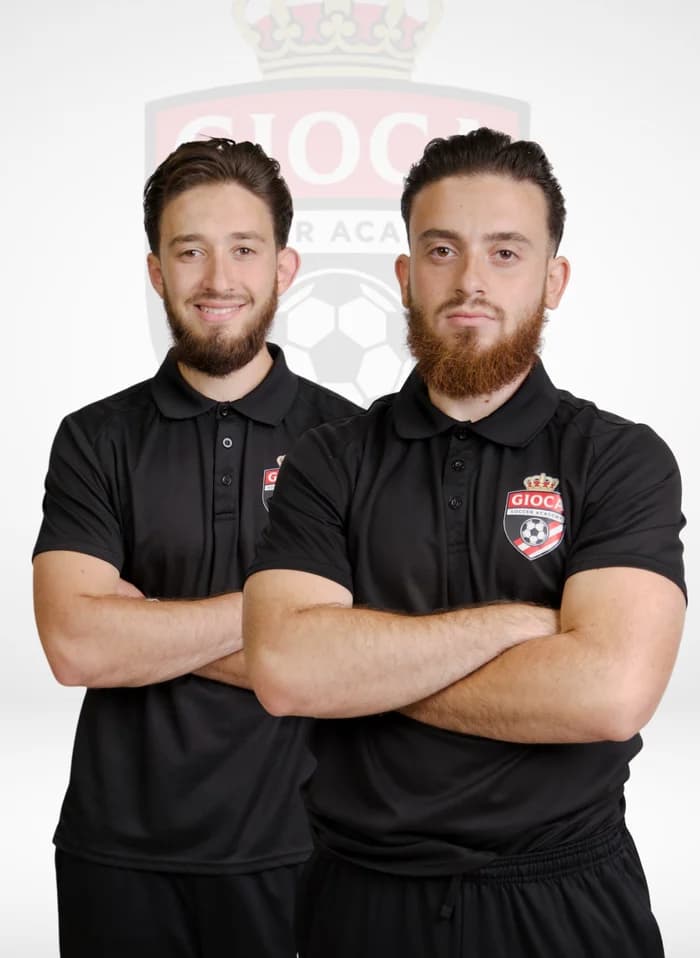
Zane and Julian Taha
Meet the people behind the perspective. Our coaches bring a personal approach to every conversation and every session.
Book a Free Session