For Parents
How to Help Your Child Recover From a Soccer Injury
Follow their healthcare professional's guidance, help your child through the emotional side of being sidelined, and let readiness guide their return.
In this article
In this article
Quick Answer
When your child is sidelined by a soccer injury, the most helpful approach is to support their physical recovery according to guidance from their healthcare professional while also helping them handle the emotional side of missing soccer. Keep communication open, stay connected to the team when appropriate, and let readiness, not pressure, guide their return to training.
It's tough watching your kid sit on the sidelines when all they want is to be out there playing. They might be frustrated about missing practice, bummed about skipping games, or stressing that their teammates are getting ahead of them while they're stuck at home.
As a parent, you probably don't know exactly what to say either. You want to be encouraging, but you also don't want them to feel like they need to rush back before they're ready.
A good starting point is just trying to understand what they're actually going through.
Let Your Child Be Disappointed
Getting hurt can hit a young player harder than parents realize. Soccer isn't just a sport to them: it's where their friends are, where they push themselves, and where they feel like they belong to something.
So instead of jumping straight to "you'll be back before you know it," try giving them space to actually talk.
Try asking things like:
- What's frustrating you the most right now?
- What are you worried about?
- Is there anything I can do to help?
Sometimes just listening does more good than trying to spin the situation into something positive. For more on supporting a young player when soccer gets difficult, see our guide to supporting your child through a competitive soccer season.
Stick to the Guidance They've Been Given
Whatever the doctor or physical therapist has said, that's what you follow. Your child saying they feel fine doesn't mean their body is actually ready for full training or games again.
Don't set your own timeline for when they should be back, and don't push them to tough it out just because there's a big game coming up. If you're not sure what they're cleared to do, just ask the professional handling their recovery.
It's also worth keeping the coach in the loop about any restrictions or guidance from the doctor.
Help Them Stay Connected to Soccer
Just because a kid is injured doesn't mean they have to feel cut off from their team completely.
If it's allowed, they might like coming to watch practice, hanging out with teammates, or just keeping up with how the team's doing.
For some kids, that little bit of connection makes being sidelined a lot easier to handle. Other kids might actually need a break from soccer altogether for a while. Pay attention to what your child seems to want and go from there.
Don't Make Recovery a Competition
Comparing your child's recovery to someone else's is one of the fastest ways to add unnecessary pressure.
"Your teammate was already back."
"Don't get left behind."
Every kid heals differently. Instead of comparing, focus on what's actually within your child's control, and remind them that coming back from an injury isn't a race: it's just a process.
If they're scared of getting hurt again, don't brush that off. Ask them what specifically worries them, and let their confidence build slowly as they work through the return-to-play plan set by their doctor and coach.
Support the Kid, Not Just the Comeback
An injury is just a bump in the road for a young athlete. It doesn't say anything about their talent or where they're headed.
What your child needs might just be patience, encouragement, or someone to listen without trying to fix everything. And when they finally get back to structured training, the point isn't proving they're instantly back to where they were. It's about helping them fall back in love with playing.
If a tryout is on the horizon once they're cleared, our guide on how to know if your child is ready for a soccer tryout can help you judge the timing.
At Gioca Soccer Academy, we know every young player moves at their own pace. When your child's ready to get back into structured training, book a free trial session with Gioca and see how our coaches support every player's development.
This article is for general parent guidance and does not replace advice from a qualified healthcare professional. Parents should follow the guidance they receive regarding their child's injury and return to activity.
Your questions, answered
How can I support my child emotionally after a soccer injury?
Listen to what they're feeling, acknowledge their frustration, and don't pressure them to rush back. Give them the space to talk through what they're going through.
Should my child stay involved with their soccer team while injured?
If it fits within their recovery plan, staying connected can help, but always check with whoever is guiding their recovery first.
What if my child is afraid to return to soccer?
Don't dismiss it. Ask what exactly is making them nervous, and stay in touch with the coach. Rebuilding confidence takes time.
How do I know when my child is ready to return?
Don't just go by whether they say they feel okay. Follow what the healthcare professional says, and talk with the coach about the steps for returning to play.
How can I motivate my child without creating pressure?
Lean on patience and encouragement instead of setting deadlines or comparing them to teammates. Remind them there's no need to rush.
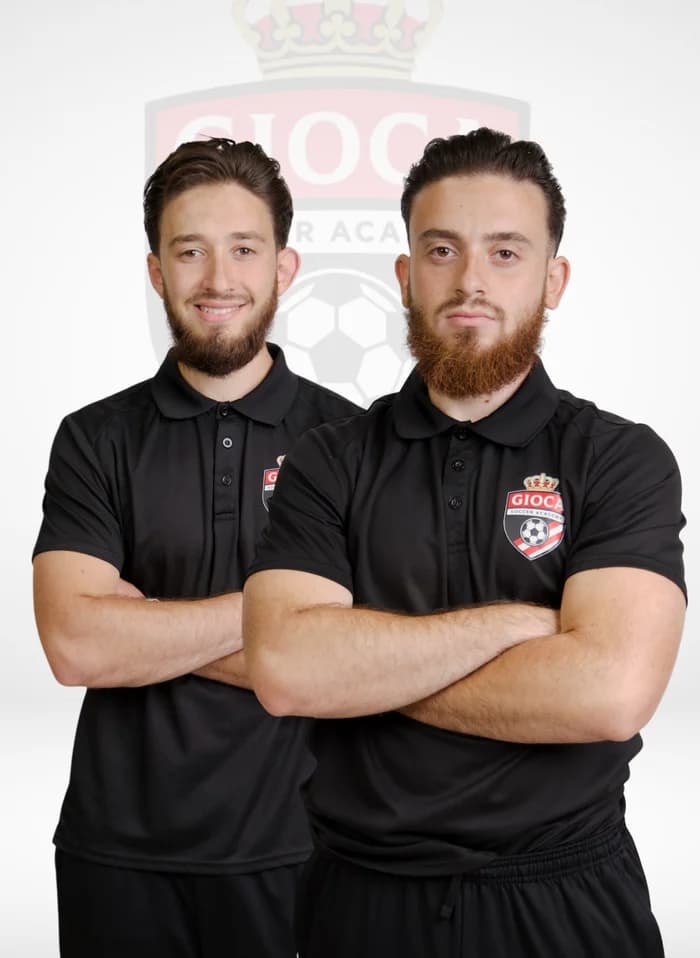
From the Gioca coaching team
Zane and Julian Taha
Meet the people behind the perspective. Our coaches bring a personal approach to every conversation and every session.
Book a Free Session