For Parents
What parents should look for in a youth soccer coach
Kids forget scorelines fast. What they don't forget is how a coach made them feel. The six traits of a great youth coach, the questions to ask, and the red flags to avoid.
In this article
In this article
Choosing the right soccer coach for your kid is a bigger deal than most parents realize. It is tempting to check how many games a team wins or how shiny their trophy case looks, but honestly? None of that tells you much about whether your child is actually getting good coaching.
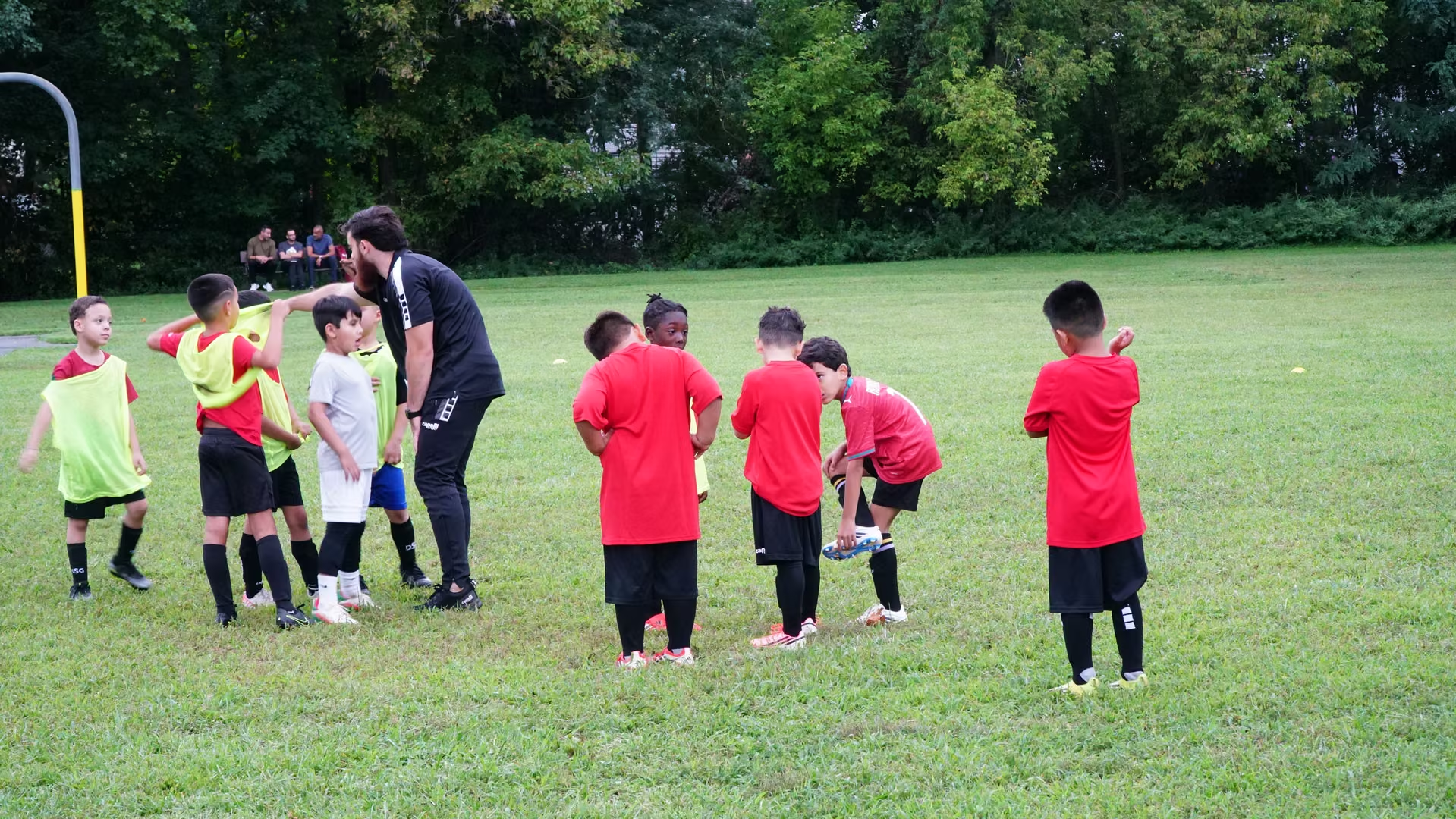
A great coach does much more than run drills and plan for Saturday's match. They build confidence, sharpen skills, and develop the teamwork and resilience that stick around long after the cleats come off.
A great coach focuses on long-term player development rather than just winning games. They teach age-appropriate skills, build confidence, encourage independent thinking, communicate openly with parents, and create a positive environment where children enjoy learning and improving.
Why the right coach actually matters
Kids forget scorelines pretty fast. What they do not forget is how a coach made them feel. An encouraging coach can turn a kid into someone who genuinely loves training and stays committed for years. A harsh or dismissive one can kill a child's confidence, and their interest in soccer altogether.
1. They care more about development than the scoreboard
The coaches who really get it treat every practice and game as a learning opportunity. Their real goal is not beating the team across the field; it is helping every single player get more confident, more skilled, and better at making decisions under pressure. When a kid makes a bad pass or misses an open shot, these coaches do not jump on them. They use it as a teaching moment.
2. They teach what's actually age-appropriate
Young players are not small adults. Their bodies are still growing, their attention spans are short, and their understanding of the game is nowhere near a teenager's. For younger players it really should just be about fundamentals: getting comfortable with the ball, coordination, learning to pass and dribble, building balance and confidence.
3. They build kids up instead of making them afraid
When kids are scared of messing up, you can see it. They stop calling for the ball. They avoid trying the new move they have been practicing. Good coaches push kids while still making them feel safe: they correct mistakes patiently, explain what to work on, and move on instead of dwelling.
4. They communicate well, with kids and with you
Kids do better when they actually understand what is being asked of them. A good coach explains things in a way that makes sense, keeps in-game instructions short and simple, and gives feedback that is actually usable.
5. They teach kids to think, not just follow orders
The better coaches ask questions instead of just handing out commands: What options did you have there? Why did you go with that pass? What did you see before the ball even got to you? That habit is exactly how soccer IQ develops.
6. They build a positive team culture
On a team with a good culture, players root for each other instead of quietly competing against their own teammates. They pick each other up after a bad play and recognize that everyone brings something different.
Questions worth asking before you commit
What is your coaching philosophy? How do you measure improvement? How do you handle mistakes during games? How do you communicate with parents? How do you balance winning and development? What does a typical practice look like?
Red flags to watch out for
- Yelling at kids or embarrassing them in front of everyone
- Caring about winning more than anything else
- Only the top few players getting real playing time or attention
- Barely any communication with parents
- No real feedback given to individual players
- Disorganized practices with a lot of standing around
How Gioca approaches player development
Small-group coaching so every player gets individual attention. Solid technical foundations: ball control, passing, dribbling, first touch, shooting, movement. Building soccer IQ so kids think about the game instead of just following instructions. Genuine confidence, with mistakes treated as part of learning. And a positive environment where every player feels respected and valued.
You can meet our coaches, and if you are still comparing options, start with our guide on choosing the right youth soccer academy in New Jersey.
Your questions, answered
How do I know if a soccer coach is right for my child?
Watch how the coach interacts with players during practices and games. Look at how they respond to mistakes, whether they provide useful feedback, and whether players appear engaged and supported. You can also ask about their coaching philosophy and approach to player development.
Should youth soccer coaches focus on winning?
Winning is part of competition, but it should not be the only measure of success in youth soccer. A strong coach balances competition with technical development, decision-making, confidence, and teamwork.
What should I ask before joining a soccer academy?
Ask about the coaching philosophy, player development approach, training structure, communication with parents, and how the program measures progress. You should also ask what a typical training session looks like.
How important is a coach's communication with parents?
Clear communication helps parents understand expectations and their child's development. A good coach should provide clear information and give parents an appropriate way to ask questions or discuss concerns.
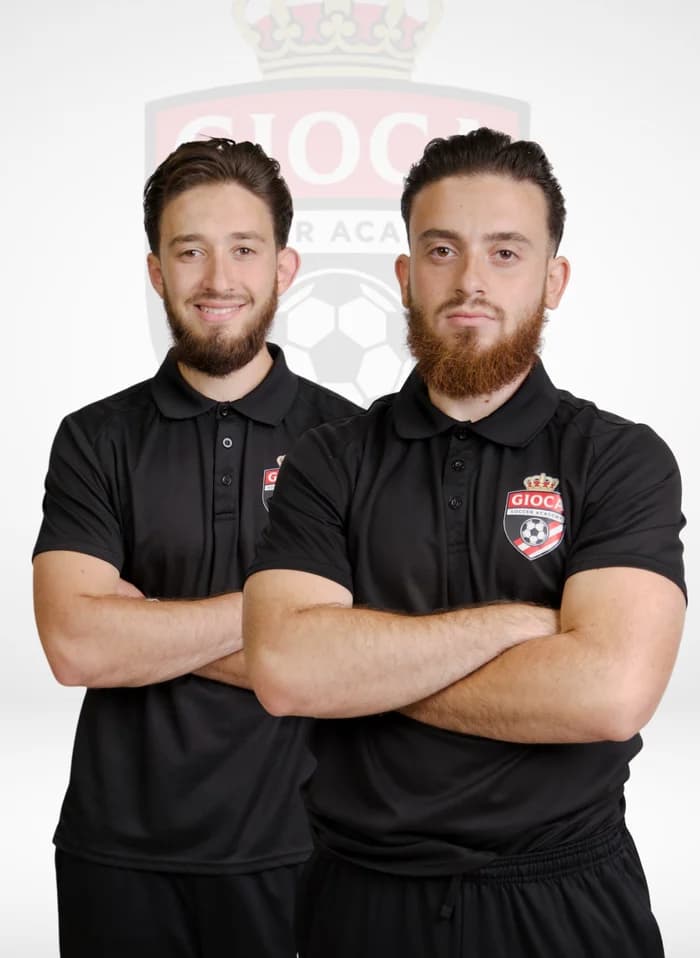
From the Gioca coaching team
Zane and Julian Taha
Meet the people behind the perspective. Our coaches bring a personal approach to every conversation and every session.
Book a Free Session