Getting Started
What Age Should Your Child Start Soccer Academy Training?
Wondering when your child should start soccer academy training? A coach's guide to U7 to U18 age groups, readiness signs, and choosing the right program.
In this article
In this article
Quick Answer
Kids can start structured soccer training whenever they're ready to learn and have fun playing with others. At Gioca Soccer Academy, we run team training from U7 all the way to U18, grouping players by age and where they're at developmentally. Starting young can definitely help with the basics, but there's no magic age that guarantees anything.
When should my kid start soccer academy training? It's one of the questions we hear most often from parents. Should they jump in the moment they show interest, or is it better to wait a bit?
Honestly, it depends on the kid. Some children pick up new skills quickly, and some need a little longer to feel relaxed and confident with a group. Our view as coaches: don't push your child into training before they're ready. Focus on finding the right fit.
What Is the Best Age to Start Soccer Training?
There's really no single "right" age that works for every child. Some kids start by kicking a ball around the backyard, others get hooked after watching a match or playing with friends at school.
Both paths work just fine.
When kids are young, soccer should really just be about moving around, having fun, and picking things up through play. As they get a little bit older they can start to focus on specific skills, take on coaching advice and understand what it is to be part of a team.
This is where structured academy training can help. It gives kids a chance to get consistent practice with a coach there helping. But the training needs to match where they are in terms of age, experience, and ability.
We have team programs from U7 to U18 at Gioca Soccer Academy, allowing players to continue to develop as the game becomes more complex.
What Should Children Learn at Different Ages?
Kids develop at their own pace, so think of these age groups as a general roadmap rather than strict rules.
Younger Players: Start With the Basics
At this age, the goal is simple: help kids enjoy the game. Think dribbling, running, kicking, and getting a feel for the ball, nothing that feels like sitting in a classroom.
Little ones are still working on listening, following instructions, and taking turns. They'll lose focus sometimes. They'll make the same mistake five times in a row. That's completely normal. It's just part of how kids learn.
A good coach knows this and gives them space to try, mess up, and try again without pressure.
U7 to U10: Build Fundamental Soccer Skills
Once kids get more comfortable in a group setting, coaches can start adding more structure to practice.
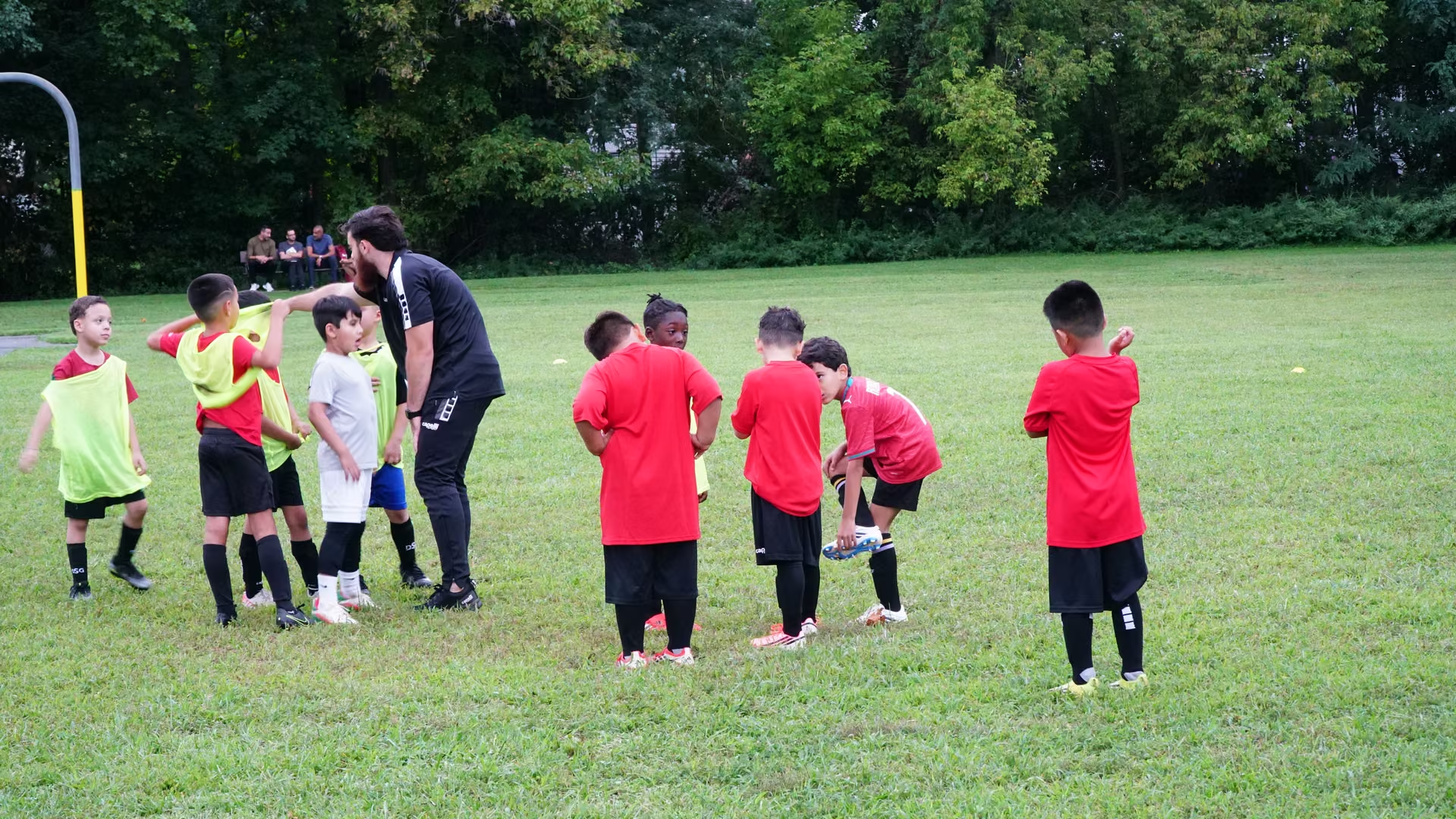
This is when players begin working on passing, dribbling, shooting, first touch, and overall ball control. Small-sided games are also great here: they teach kids when to pass, where to move, and how to work with their teammates.
At this stage, don't get too caught up in scores and results. What matters more is whether your child is actually learning something and looking forward to practice.
U11 to U14: Learn to Read the Game
Older kids can start digging into the smarter side of soccer: positioning, teamwork, decision-making, and movement off the ball.
They begin to understand why a certain pass works, how to find open space, and how to support teammates in different moments of the game. If your child is curious about where they fit on the field, our guide to youth soccer positions explained for parents is a good place to start.
Keep in mind, players in the same age group might have wildly different experience levels. Good coaching accounts for that and gives each kid something specific to work on.
U15 to U18: Improve Skills and Game Awareness
Teenagers can push into more advanced territory: technical skills, tactics, fitness, and making smart decisions when the pressure's on.
Some teens want to compete at a higher level. Others just want to get better and keep enjoying the game. Both are valid goals, and a good program should respect that.
And here's the thing worth remembering: starting later in life doesn't mean a player can't improve a ton. Starting early doesn't guarantee they'll end up being the best player on the field either.
How Do You Know If Your Child Is Ready for a Soccer Academy?
Age is just one piece of the puzzle. Before signing your child up, here are a few things worth thinking through:
- Interest: Do they genuinely enjoy kicking a ball around or playing with friends?
- Willingness to learn: Are they open to listening to a coach and trying new things?
- Comfort in a group: Can they join in group activities, even if they're a little shy at first?
- Family schedule: Will training fit around sleep, schoolwork, and downtime without squeezing everything else out?
- Coaching approach: Does the academy actually give individual feedback suited to where your child is right now?
Your child doesn't need to check every single box. A bit of nervousness trying something new is totally normal. What matters most is finding a coach and environment where they actually feel comfortable learning.
Does Starting Soccer Early Make a Child a Better Player?
Starting young definitely gives kids more time to get comfortable with the ball and pick up the basics. But it's not a guarantee they'll turn out better than someone who starts later.
Progress really comes down to a mix of things: consistent practice, good coaching, genuine interest in the sport, and being willing to learn from mistakes.
Kids also need breaks from organized training. School, family time, rest, and just playing freely are all important parts of growing up too.
So instead of worrying about whether you started your child "early enough," focus on whether they're enjoying training and progressing at a pace that feels right for them.
Choosing the Right Soccer Academy for Your Child
A good soccer academy should offer more than just drills and scrimmages. Kids need coaches who notice their strengths, spot where they need a bit more work, and actually give feedback they can use.
At Gioca Soccer Academy, we focus on technical skills, game intelligence, and personal growth. We keep our training groups small so coaches can give each player real, individual attention and clear direction on what to work on next.
We offer team programs from U7 to U18, grouped by age and skill level. You don't need prior experience to join most groups, and we always encourage a first session so families can see how our coaching works before committing to anything.
If you're comparing academies, ask how players are grouped, what a typical session looks like, and how coaches support both beginners and more experienced kids. Our guide to choosing a youth soccer academy in NJ walks through what to look for. Finding the right fit matters a lot more than just picking whoever offers the earliest start date.
Ready to Find the Right Soccer Training for Your Child?
The best time to begin playing soccer is when your child is ready to learn, participate and have fun. The right coaching environment can help them to grow at their own pace, whether they are new to the sport or have some experience.
Gioca Soccer Academy has programs for all ages U7 to U18, with training specific to each age group and development level of the player. Contact Gioca Soccer Academy to chat about your child's experience, find the right training group, and set up a first session.
Your questions, answered
What is the youngest age to start soccer academy training?
It really depends on the academy. At Gioca Soccer Academy, we offer team training from U7 to U18, and our summer camps welcome kids ages 5 to 13.
Is 7 years old too late to start soccer?
Not at all. Seven is a perfectly good age to start. Kids can still pick up the basics, build confidence, and improve steadily with regular practice, even without prior academy experience.
Can my child join a soccer academy without experience?
Yes, plenty of programs welcome complete beginners. Just reach out and let the coaching team know your child's age and experience level so they can point you toward the right group.
How often should children attend soccer training?
That depends on your child's age, experience, and everything else going on in their life. Talk to the coaching team about a reasonable schedule, and make sure there's still enough room for rest.
How can I find the right soccer training program for my child?
Look for coaching that's age-appropriate, manageable group sizes, individual feedback, and an overall positive atmosphere. A trial session is a great way to see if it's the right fit before committing.
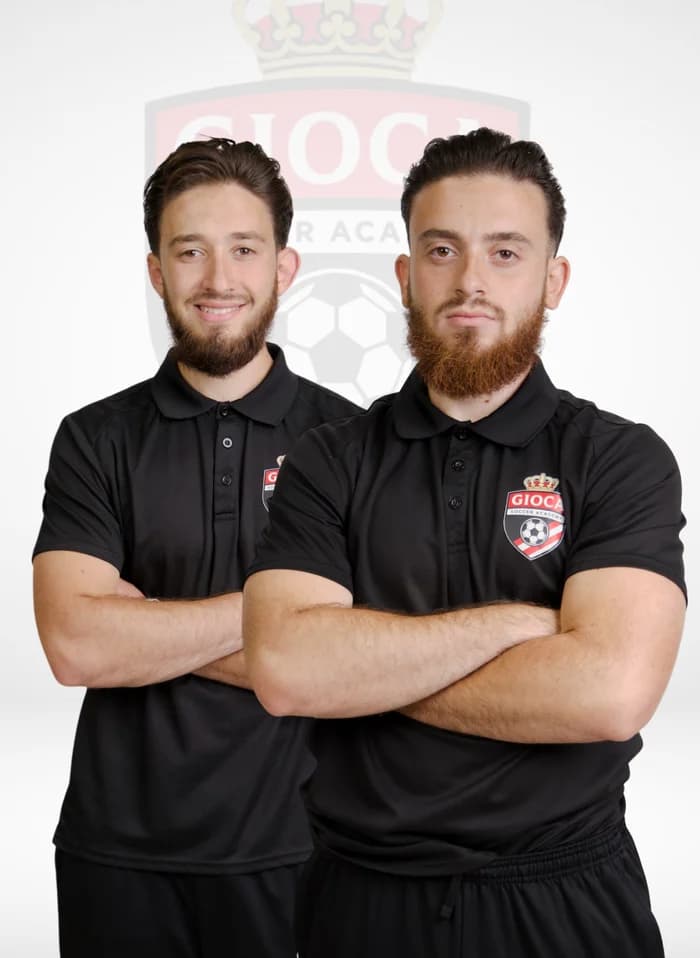
From the Gioca coaching team
Zane and Julian Taha
Meet the people behind the perspective. Our coaches bring a personal approach to every conversation and every session.
Book a Free Session