For Parents
Youth Soccer Positions Explained for Parents
Goalkeeper, defender, midfielder or forward? A parent's guide to youth soccer positions, how coaches choose them, and how to support your child.
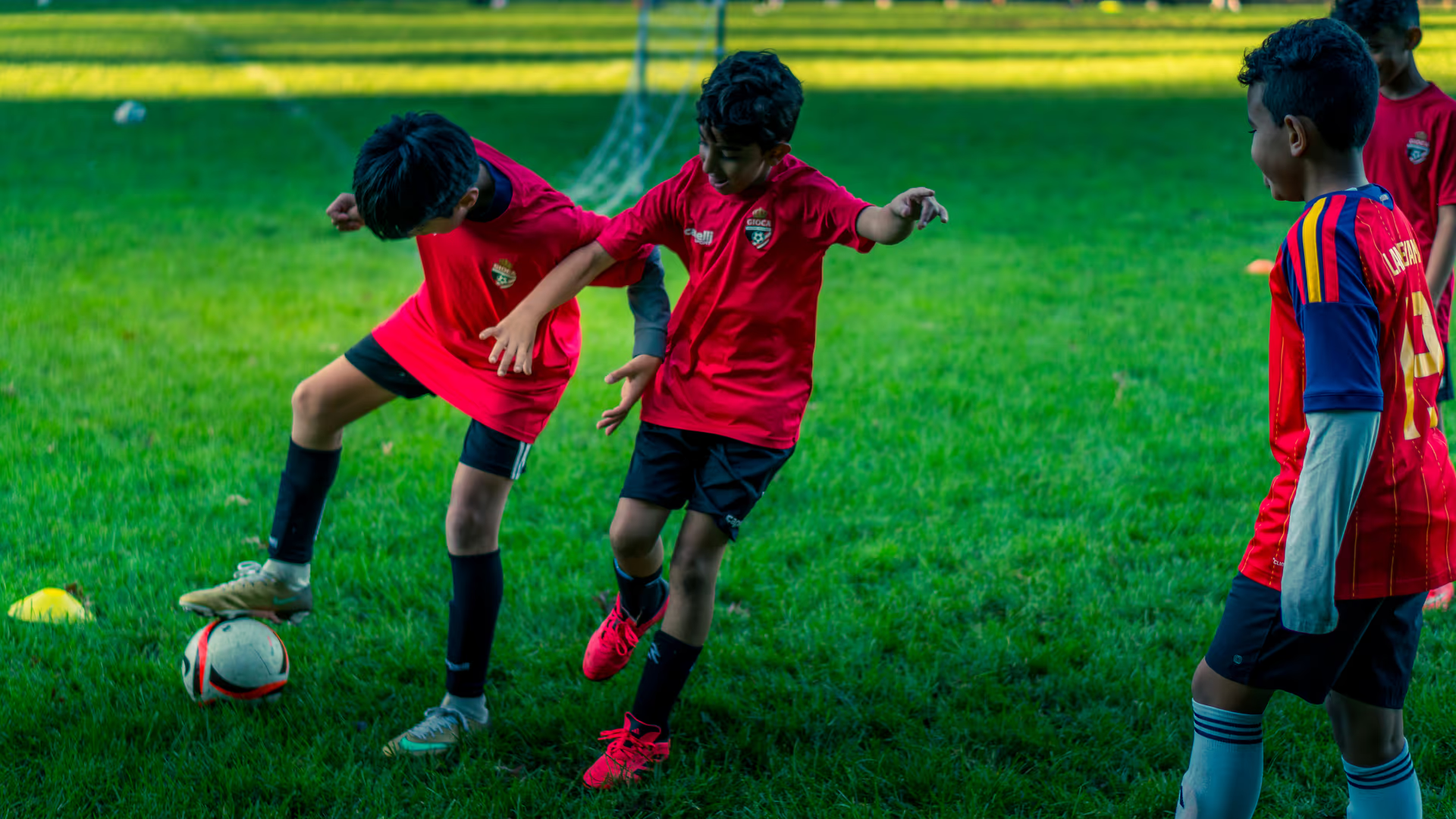
In this article
In this article
Quick Answer: What Are the Main Positions in Youth Soccer?
There are four main positions in youth soccer: goalkeeper, defender, midfielder, and forward. Goalkeepers guard the net, defenders break up attacks, midfielders link everything together, and forwards go after goals. Where a coach puts your child usually comes down to their skills and how they're developing, plus what the team needs at that moment. And especially with younger kids, it's pretty normal for them to bounce between positions as they figure out the game.
Ever sat on the sidelines wondering why your kid is stuck playing defense when all they talk about at home is scoring the winning goal? You're definitely not the only parent asking that question.
Once you get a handle on what each position actually does, watching games gets a lot more interesting. You'll start noticing the little things your child does well, and you'll have a better sense of how they're growing as a player.
Breaking Down Each Position
Goalkeeper: The Last Line of Defense
The goalkeeper has one job above all else: keep the ball out of the net. They're also the only players on the field allowed to use their hands, but only inside their own penalty box.
What it takes: Fast reflexes, smart positioning, strong communication, and a good amount of nerve.
Defender: Shutting Things Down
Defenders hold the fort near their own goal. They're the ones stepping up to challenge attackers, picking off passes, and pushing the ball forward once they've won it back.
What it takes: Solid tackling, sharp awareness, good positioning, and reliable passing.
Midfielder: The Glue of the Team
Midfielders sit in the middle of the action, bridging defense and attack. They fight for possession, spread the ball around, and show up all over the field to support teammates.
What it takes: Comfortable ball control, smart passing, quick decision-making, and constant movement.
Forward: Chasing the Goal
Forwards, sometimes called strikers, are all about attacking. Their main focus is creating chances and putting the ball in the net.
What it takes: Good shooting, dribbling, sharp timing, and an instinct for attacking.
So How Do Coaches Actually Pick Positions?
It's not random. Coaches look at a bunch of things: what a kid's naturally good at, how confident they are on the ball, where they are physically, and how well they understand the flow of the game.
Say your child loves spraying passes around and finding open teammates, midfield might be a great fit. Or maybe they're always a step ahead of the opponent, reading plays before they happen. That's often a sign of a good defender.
None of this is set in stone, though. A good coach will let kids try out different spots on the field as they grow.
At Gioca Soccer Academy, the focus stays on each player's individual growth, their technical ability, and building a real understanding of how the game works.
Should Kids Try Out Different Positions?
Absolutely. Playing more than one position gives kids a much better feel for how the whole team operates together.
Think about it: a forward who spends some time defending starts to understand what it actually takes to win the ball back. A defender who gets a shot at midfield often comes away with sharper passing and quicker decision-making.
Gioca's youth training programs are built around this idea, helping young players develop skills that carry over no matter where they end up on the field.
How Can Parents Help Along the Way?
Try not to measure your child's game only by goals scored. Pay attention to their effort, how they work with teammates, their positioning, and the small improvements you see over time.
After a game, ask them what they liked about playing their position and what they picked up from it. And if you're ever confused about why they're playing a certain role, just ask the coach. Most are happy to explain their thinking.
It also helps to understand the bigger coaching philosophy behind the academy your child trains with, since that often shapes how and when kids move between positions.
Help Your Child Grow as a Player
There's no rush for your child to lock into one position right now. What matters most at this stage is building confidence, sharpening their skills with the ball, and developing a real feel for the game, not picking a permanent role.
Want to see how Gioca helps young players grow? Reach out to Gioca Soccer Academy to learn more about training options and introductory sessions.
Your questions, answered
What's the easiest soccer position for a beginner?
Honestly, there isn't one "easy" position. Every role comes with its own set of skills, and good coaches adjust expectations based on a child's age and experience level.
What's the real difference between a midfielder and a forward?
Midfielders are the connectors, linking defense and attack, while forwards are more focused on creating and finishing scoring opportunities.
Does my child need to play the same position every game?
Not at all. Younger players especially benefit from mixing it up and trying different positions, which helps them become more well-rounded on the field.
How do coaches decide which position fits a child best?
They look at a combination of factors: skill level, confidence, decision-making ability, physical growth, and what the team needs at the time.
Can my child switch positions later on as they get better?
Definitely. As kids build their skills, confidence, and game sense, there's plenty of room to explore new positions on the field.
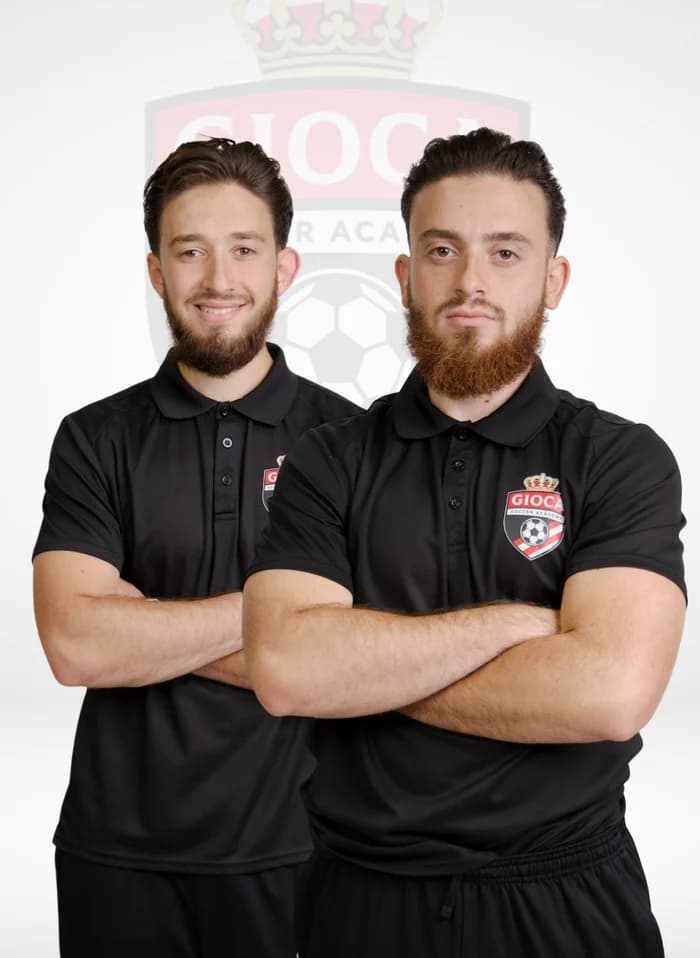
From the Gioca coaching team
Zane and Julian Taha
Meet the people behind the perspective. Our coaches bring a personal approach to every conversation and every session.
Book a Free Session