For Parents
Signs Your Child Has Found the Right Soccer Academy
The right soccer academy should help your child improve their soccer skills while building confidence, decision-making, teamwork, and independence. Winning games or getting more playing time can matter, but they should not be the only measures of whether an academy is the right fit.
In this article
Choosing a soccer academy for your kid is a big deal. And honestly, even after you've signed on the dotted line, it's completely normal to second-guess yourself: Did we actually make the right call here?
Maybe another academy down the road is racking up trophies. Maybe your child isn't seeing as much field time as you'd hoped. Or maybe they're just going through a rough patch with a string of tough games.
Here's the thing: the "right" academy isn't necessarily the flashiest one with the most hardware on display. The real question you should be asking is simpler than that: How is my child actually doing?
Quick Answer
The right soccer academy should help your child improve their soccer skills while building confidence, decision-making, teamwork, and independence. Look for specific coaching feedback, a positive environment where mistakes are part of learning, clear communication with parents, and steady development over time. Winning games or getting more playing time can matter, but they should not be the only measures of whether an academy is the right fit.
So How Do You Know If It's the Right Fit?
A solid youth soccer academy pushes your child while still giving them the space to figure things out on their own. What you want to see is steady growth, coaching that actually helps, a kid who's gaining confidence, someone who's still having fun, and a growing sense of "I've got this."
7 Signs Your Child Found the Right Soccer Academy
1. They're Getting Better, Even If It's Not Obvious
Progress doesn't always show up as a shiny stat line. Sometimes it's your child making smarter decisions on the field, cleaning up their first touch, reading the game better, talking more to teammates, or just being more consistent overall.
Want to spot progress that's easy to miss? Check out these signs your child is improving at soccer. It goes beyond just counting goals and assists.
2. Coaches Actually Tell Them Something Useful
"Good job, buddy!" feels nice, but it doesn't really move the needle. Your child should have a real sense of what they're working on, where they need to improve, and what their coach actually expects from them.
3. Mistakes Don't Rattle Them
Every kid is going to lose the ball, botch a pass, or make a bad read now and then. That's just soccer. What matters is whether your academy turns those moments into learning opportunities instead of something to be embarrassed about.
Building that kind of confidence and resilience ties into mental performance development in youth soccer too.
4. They Still Want to Show Up
Look, your kid isn't going to be thrilled about every single practice. Training is hard, and hard things can be frustrating. But overall, they should still be curious, still engaged, and still willing to lace up their boots and go back. That enjoyment factor matters more than people realize for long-term development.
5. They're Starting to Take Charge on Their Own
Keep an eye on the little things. Are they remembering their own gear now? Getting themselves ready before practice? Actually listening when coaches talk? Thinking through what they could've done differently after a game?
These small habits are a good sign your child is starting to take ownership of their own development.
6. The Academy Keeps You in the Loop
You shouldn't have to guess what's going on. Parents deserve clarity on expectations, schedules, training goals, and how to bring up questions or concerns when they come up. Good communication means you're hearing what coaches are actually seeing, not just piecing things together from the sidelines.
7. Growth Is the Priority, Not Just the Scoreboard
Winning feels great, and competition definitely has its place. But a genuinely good development environment cares just as much (if not more) about decision-making, technical skills, teamwork, confidence, and the long game.
What About Playing Time?
If your child isn't getting much time on the field, that doesn't automatically mean you picked the wrong place.
Instead, ask the bigger questions: Is the coach explaining what your child needs to work on? Is there an actual path toward earning more minutes? Is your child still growing as a player, even from the bench?
It's also worth watching how your child handles pressure and setbacks. Learning to stay calm under pressure during a soccer game is honestly a huge part of becoming a better player, on and off the field.
When Is It Actually Time to Switch?
Switching academies might make sense if you're seeing the same problems pop up over and over: barely any useful feedback, communication that goes nowhere, no real signs of development, a toxic atmosphere, or a program that's just outgrown what your child needs.
But one bad game, or even one rough month? That's not really enough reason to walk away.
At the end of the day, it's not just about results. The truest test of a good academy is what happens to your child as time goes on.
Are they learning? Getting more confident? Making sharper decisions on the field? Starting to take ownership of their own growth?
Those answers will tell you way more than any trophy case ever could.
Come and see what development looks like in practice. Book a free trial session with Gioca and judge it for yourself.
Your questions, answered
How do I know if my child is in the right soccer academy?
Watch for steady improvement, coaching feedback that's actually useful, growing confidence, genuine enjoyment, and open communication with parents.
Does limited playing time mean we should switch academies?
Not necessarily. Think about whether your child is still improving, getting helpful feedback, and understanding what they need to work on.
What are the signs of a good soccer coach?
A good coach gives specific, useful feedback, treats mistakes as learning moments, and keeps communication open with both players and parents.
When should I consider switching soccer academies?
If poor communication, stalled development, or a negative environment keeps showing up over time, it might be worth considering a change.
Should my child enjoy going to soccer training?
Yes. Enjoyment is an important part of a sustainable youth soccer experience, although appropriate challenge and occasional frustration are also normal parts of development.
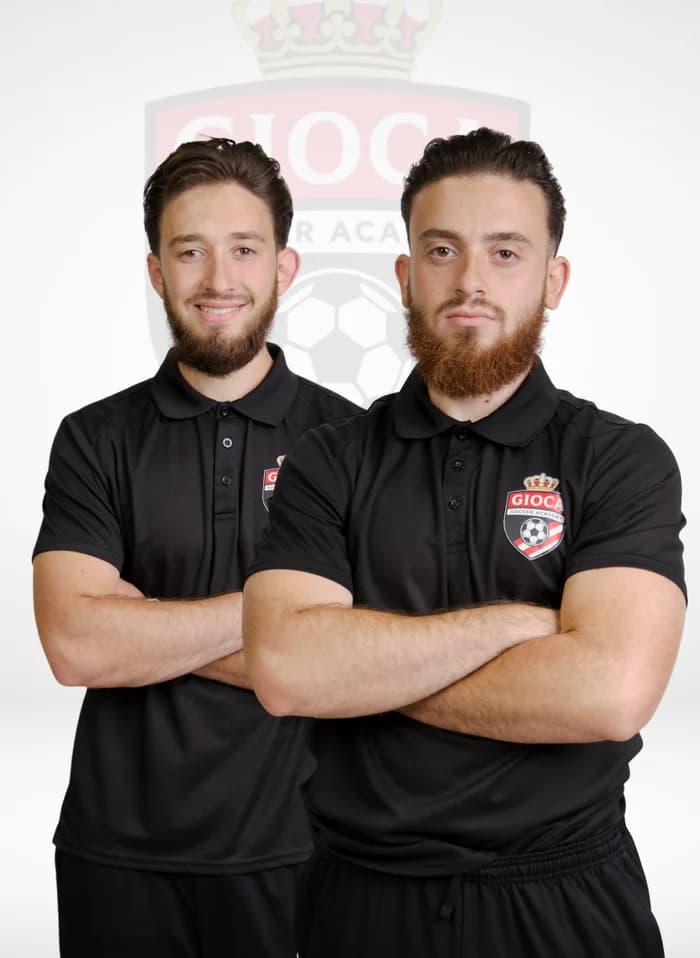
From the Gioca coaching team
Zane and Julian Taha
Meet the people behind the perspective. Our coaches bring a personal approach to every conversation and every session.
Book a Free Session