For Players
How to Earn More Trust From Your Soccer Coach
Ever feel like your coach only has eyes for the kids scoring all the goals? Trust is built with small, boring deposits every single day. Here are the six habits that earn it.
In this article
In this article
Ever feel like your coach only has eyes for the kids scoring all the goals? Earning trust is not about being the most talented person out there. It is about becoming the player your coach knows they can count on when the game gets chaotic.
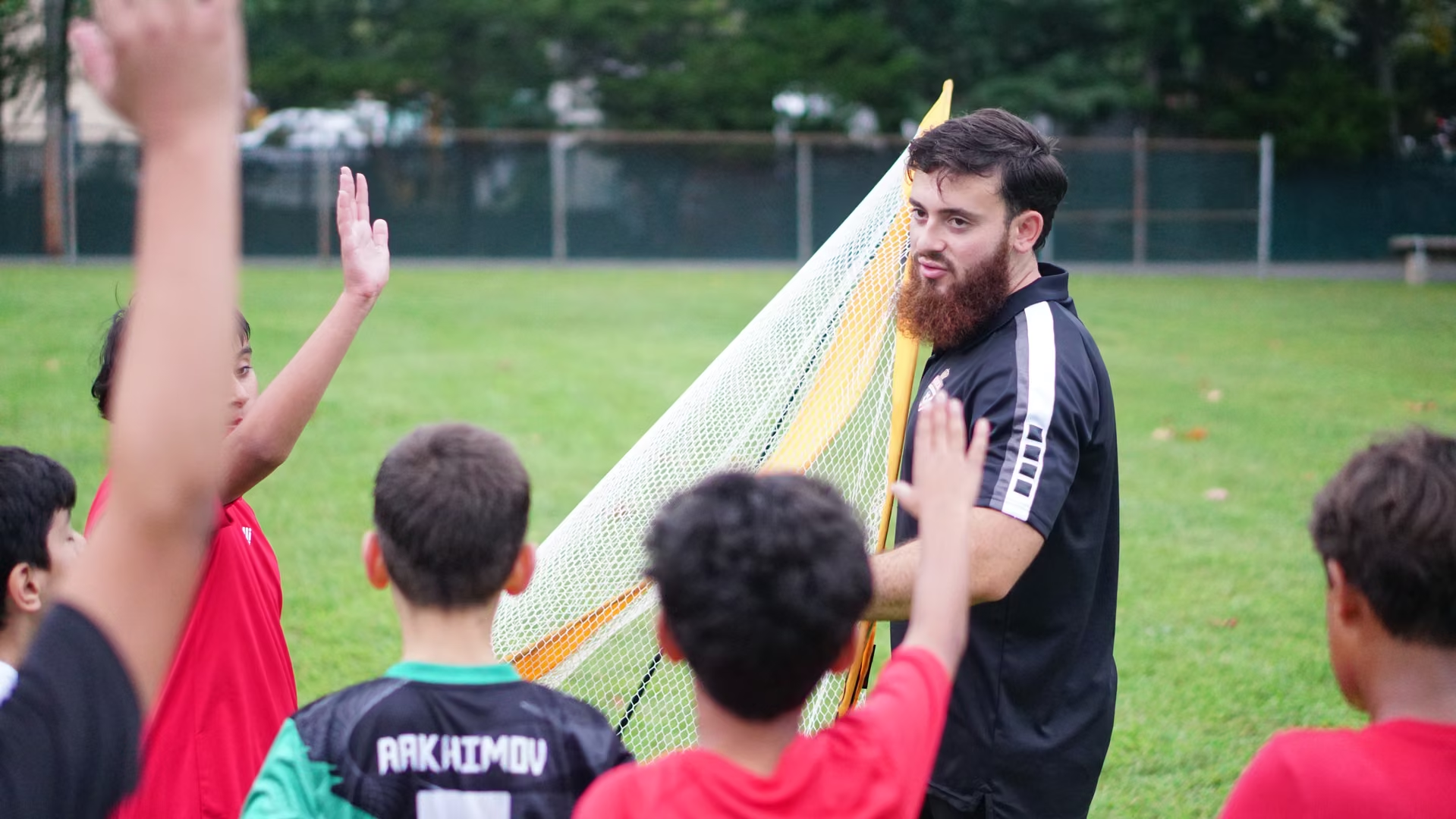
Think of trust like a savings account. You build it up with tiny, boring deposits every single day. In youth soccer, trust is about showing up: being the kid who is consistently reliable and open to learning.
Why coaches value trust more than talent
Raw talent gets you noticed, but trust is what keeps you on the pitch. Talent is a wild card. We have all seen the player who is incredible one week but totally checks out the next because they got frustrated.
Coach Zane puts it this way: "Every player has potential. What separates them over time is their willingness to learn, work hard, and stay committed to the process."
6 habits that earn your coach's trust
- Arrive ready to train: cleats tied, shin guards on, water bottle filled before the whistle blows.
- Listen, then talk: if your coach points out a mistake, take a breath, look them in the eye, and nod. The best response is on the pitch, fixing it on the very next play.
- Give full effort every session: your work ethic should not depend on how your day went. Trust is built by outworking everyone, every practice.
- Communicate with your teammates: talk to help your squad solve problems, like calling "man on" or telling a teammate they have time to turn.
- Respond positively after mistakes: the second you lose the ball, keep your chin up and sprint back to win it or help your defense.
- Respect everyone on the field: the referee, the opposing team, your teammates, and even the gear you train with.
What coaches notice that players often don't
Coaches are constantly observing your body language, your movement without the ball, your decision-making, your defensive effort, and your scanning. There is a whole article on what coaches notice that parents miss, and most of it applies to players too.
Coach Julian's take: "Talent is great, but the players who go the furthest are the ones who keep their ears open, put feedback into action right away, and just enjoy the process of improving every single day."
Common mistakes that break a coach's trust
- Ignoring direct feedback or rolling your eyes
- Blaming teammates for a bad pass or a lost game
- Complaining about the weather, the drills, or your positioning
- Giving up or walking back after losing the ball
- Only working hard when your team is winning
How Gioca builds trust through daily habits
At Gioca, our programs focus on whole-person development. Small training groups let coaches look closely at each player's technical skills, mental performance, and coach-player bonds. If you want to see it in action, look at how our sessions are structured or read up on the training methods that improve skills fastest.
Your questions, answered
How can I earn my soccer coach’s trust?
Be reliable, work hard, listen to feedback, and support your teammates.
What do soccer coaches look for besides talent?
Coaches notice effort, attitude, communication, decision-making, and how players respond to mistakes.
Can mistakes affect my coach’s trust?
Mistakes are normal. What matters is how quickly you respond, learn, and keep working.
Why is coachability important in soccer?
Coachable players listen, apply feedback, and show a willingness to improve.

From the Gioca coaching team
Zane and Julian Taha
Meet the people behind the perspective. Our coaches bring a personal approach to every conversation and every session.
Book a Free Session